Exact date of Research and Technology Day
Iran’s Research and Technology Day falls on Wednesday, 16 December 2026 (25 Azar 1405 in the Iranian calendar; 6 Rajab 1448 AH). Research and Technology Week is held every year in the last week of Azar around this day, when universities, research institutes and science and technology parks run their programmes.
| Iranian (Solar Hijri) date | Wednesday, 25 Azar 1405 |
|---|---|
| Gregorian date | Wednesday, 16 December 2026 |
| Lunar Hijri date | 6 Rajab 1448 |
| Public holiday | No |
| Research Intelligence workshops | Sunday 13 – Saturday 19 December 2026 (online) |
Countdown
The countdown below uses Iran Standard Time. Our workshops start three days earlier, on 13 December.
Seven days, seven AI workshops
To mark Research and Technology Week 2026, the Research Intelligence team led by Dr. Saeed Javizadeh is holding one online workshop every day. Topics were chosen from students’ most-searched needs: using AI for papers, theses, proposals, statistics and PhD CVs.
Format: all workshops are online, from 18:00 to 19:30 Tehran time (UTC+3:30). The link to the online class is emailed to registrants one day before each workshop. Seats are limited. Workshops are taught in Persian.
Research prompt writing with ChatGPT and Claude
The starting point for every workshop: learn to write precise research prompts, define role and context, and get reliable output. Prompting is the foundation of every later use.
Finding sources and writing a literature review with AI
Finding credible papers with tools such as Semantic Scholar, Elicit and Consensus, summarising and grouping sources, and building a literature matrix, with no fabricated references.
Writing a research proposal with AI
From choosing a topic and stating the problem to research questions, hypotheses and methods: how to write and review Master’s and PhD proposals faster and more accurately with AI.
Writing research papers with AI Research Day
The main Research Day workshop: the IMRaD structure, writing the abstract, introduction and discussion with AI support, and the principles that keep a paper from being rejected.
Statistical analysis for theses with AI
Choosing the right statistical test, writing R code and interpreting SPSS output with AI, and reporting results in academic language, plus the mistakes AI makes in statistics.
Translating, paraphrasing and editing papers with AI
Specialised translation between Persian and English, proper paraphrasing, language editing, AI-text detection tools, and the limits of ethical use.
PhD CV and SOP with AI
Building an academic CV, writing a statement of purpose and emailing professors with AI help, for PhD interview candidates and international applicants.
Registration
To join the Research Intelligence online AI workshops, complete the registration form and choose one or more workshops (13–19 December 2026). Questions? Call +98 912 043 8874.
History of Research and Technology Day
After the 1979 revolution, 25 Azar (mid-December) was named “Research Day” in Iran’s official calendar. Around 2000 (1379), the Ministry of Science, Research and Technology declared the fourth week of Azar “Research Week”, centred on this day. As technology and innovation gained weight, the name “Research and Technology Week” became standard.
During the week, national events such as the Research and Technology Festival honour top researchers and technologists, alongside the exhibition of research and technology achievements and the technology market. Universities hold their own festivals at the same time; for example, the University of Tehran holds its 35th Research and Technology Festival in the second half of Azar 1405.
Why research and technology matter for development
No country reaches sustainable development without research. Research produces new knowledge, and technology turns that knowledge into products, services and solutions. Indicators such as R&D spending as a share of GDP, researchers per million people and patent filings are key measures in reports such as the Global Innovation Index (GII).
- Solving local problems: from water and energy crises to health and education, precise answers come from research.
- Technological independence: home-grown technologies reduce reliance on imports.
- Evidence-based decisions: policy without data and research is costly and error-prone.
- Training specialists: every research project prepares young researchers for the future.
Goals of Research and Technology Day
- Promoting a research culture in universities, schools and society.
- Honouring top researchers and presenting successful role models.
- Linking universities and industry and turning findings into products.
- Presenting achievements to the public and investors through exhibitions and technology markets.
- Encouraging students to take up research and academic writing seriously.
The role of researchers
Researchers do more than produce papers: they ask the right questions, build valid methods to answer them, and communicate results in a form society can use. AI is now a new tool in researchers’ hands. Used correctly and responsibly, it multiplies the speed of literature review, data analysis and writing; used wrongly, it leads to errors and research misconduct. That is why AI is this year’s workshop theme.
Impact of research on economic and social growth
| Area | Impact of research and technology |
|---|---|
| Economy | Knowledge-based companies, skilled jobs and technology exports |
| Health | New medicines, equipment and treatments |
| Education | Modern learning methods and smart educational tools |
| Environment | Water management, renewable energy and pollution reduction |
| Society | Evidence-based policymaking and better quality of life |
About Dr. Saeed Javizadeh
Researcher, research consultant and academic coach; founder and head of the Research Intelligence team
Dr. Saeed Javizadeh has worked for many years in research methodology, data analysis and scientific writing. He supports students and researchers through every stage of a research project, from choosing a topic and designing a proposal to statistical analysis, writing the paper and responding to reviewers. He advocates the ethical and transparent use of AI in research and has developed methods to speed up literature reviews, organise data and improve the quality of academic writing.
| Born | 1979, Shiraz, Iran |
|---|---|
| PhD | Geography, Kharazmi University (formerly Tarbiat Moallem University), Tehran |
| MSc | Geographic Information Systems (GIS), Kharazmi University |
| Experience | Teaching and research at universities across Iran; regular workshops and seminars for students and researchers |
Areas of expertise
Software
Research books by Dr. Saeed Javizadeh
All books are published in Persian by Academic Press (Nashr-e Akademik), Tehran.
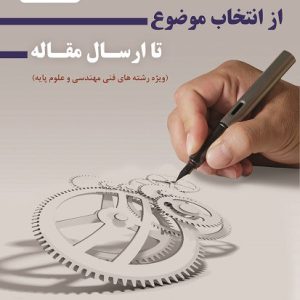 From Choosing a Topic to Submitting a Paper (Engineering and Basic Sciences)Author
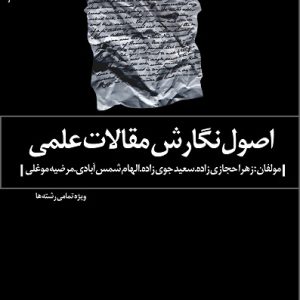 Principles of Writing Scientific PapersAuthor
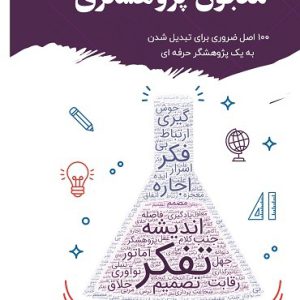 The Researcher’s Elixir: 100 Essential Principles for Becoming a Professional ResearcherAuthor
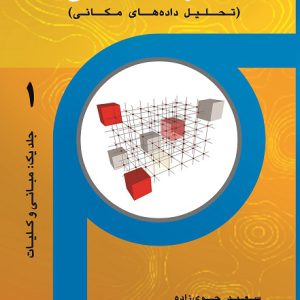 Spatial Statistics (Spatial Data Analysis), Vol. 1Author
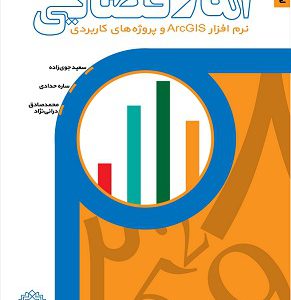 Spatial Statistics (Spatial Data Analysis), Vol. 2Author
 Writing Your Journal Article (by Wendy Laura Belcher)Translator
 A Professional Guide to Publishing a Paper: Simple Steps to Writing and Publishing an ArticleTranslator
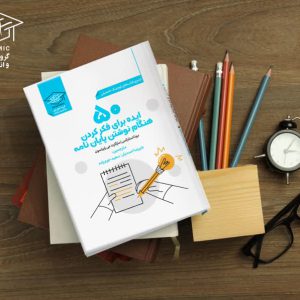 50 Ideas for Writing Your ThesisTranslator
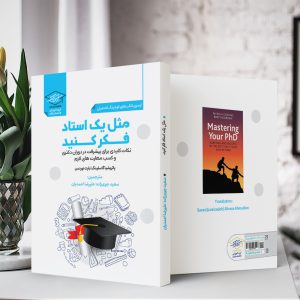 Think Like a Professor: Key Tips for Thriving During Your PhDTranslator
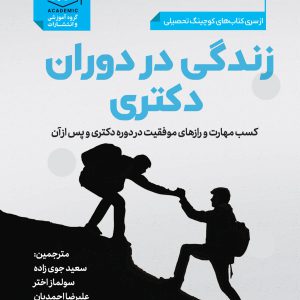 Academic Coaching: Life During the PhDTranslator
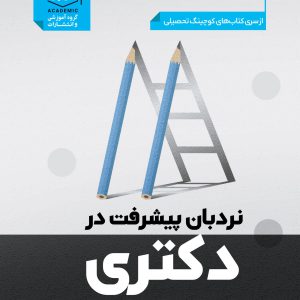 Academic Coaching: The Ladder of Progress in the PhDTranslator
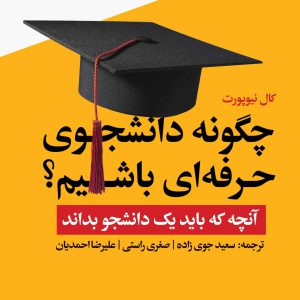 How to Be a Professional StudentTranslator
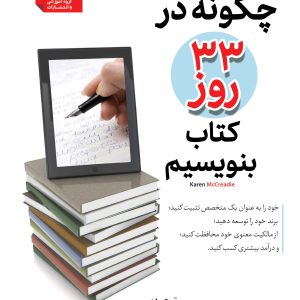 How to Write a Book in 33 DaysTranslator
Frequently asked questions
When is Research and Technology Day 2026?
Wednesday, 16 December 2026 (25 Azar 1405; 6 Rajab 1448).
When is Research Week 2026?
The last week of Azar, around 16 December. Our workshops run 13–19 December 2026.
Is Research Day a public holiday?
No.
How are the workshops held?
Online, 18:00–19:30 Tehran time. The class link is emailed one day before each session.